

MANUFACTURING & PRODUCTION / WORKFORCE INSIGHTS
Production demands change. Your workforce can adapt. Discover how flexible staffing supports smoother shifts, consistent output and better operational planning.
WORKFORCE STRATEGY
•
6 MIN READ

Support shifts and keep lines moving.
Adapt to orders, seasons and peaks.
Match skills with production needs.
THE BIG PICTURE
In manufacturing, a single staffing gap can affect far more than one workstation. When production lines are busy, absent team members, unexpected orders and changing shift requirements can place pressure on existing workers and disrupt output.
Flexible staffing offers manufacturers a practical way to supplement their teams as demand changes. Used well, it can support production continuity, help supervisors plan shifts and create the breathing room needed to focus on quality and safe operations.
AT A GLANCE
01 / MANUFACTURING WORKFORCE
Manufacturing output rarely stays at exactly the same level throughout the year. Seasonal orders, promotional periods, new contracts and changes in customer demand can create busy spells followed by quieter periods. Maintaining the same staffing level at all times may not suit these variations.
Flexible labour hire lets a business plan additional workers around specific production runs, shift patterns or projects. With enough notice and a clear brief, a staffing partner can help source suitable personnel when workloads rise, then adjust arrangements as demand returns to normal.
02 / MANUFACTURING WORKFORCE
Unplanned absences and vacant roles can leave gaps across a production line, packing team or dispatch operation. If those positions remain unfilled, supervisors may need to reassign experienced staff, postpone tasks or stretch the available team.
Access to a flexible workforce can help manufacturers respond to staffing shortfalls and protect continuity. The goal is not to promise instant replacements in every situation; it is to build a reliable process for identifying requirements and arranging appropriately matched workers as efficiently as possible.
03 / MANUFACTURING WORKFORCE
A productive workforce is not simply about the number of people on the floor. Workers need to understand the task, the equipment involved, the expected pace and the site’s quality requirements. A good staffing brief is specific about the work to be performed, not just the number of people requested.
Manufacturers may require production hands, assembly support, quality-check assistance, packaging staff or material-handling personnel. Some roles involve plant, forklifts or other activities that call for particular licences, skills or training. Clarifying these requirements upfront helps everyone make more informed staffing decisions.
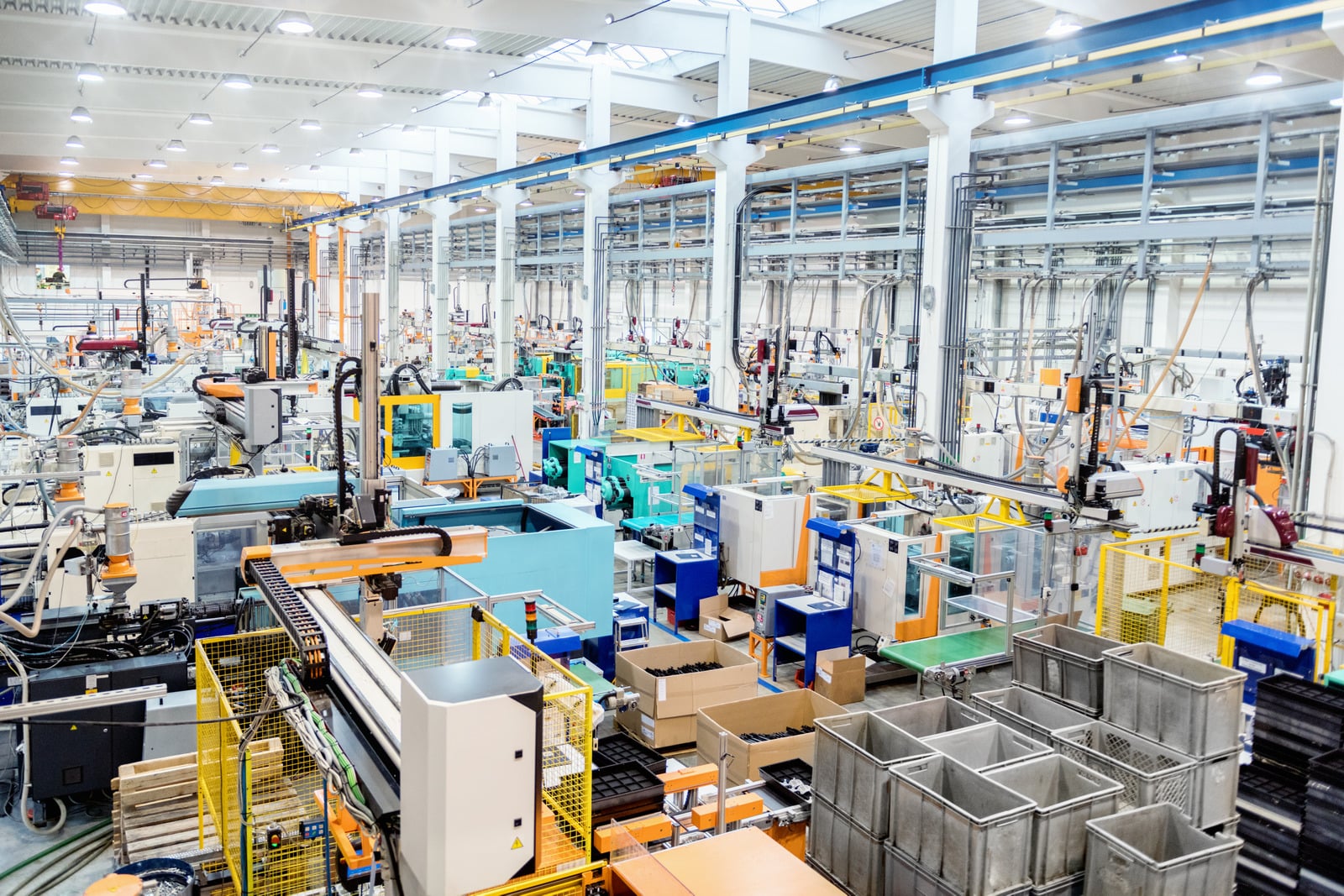
Clear shift briefs and role requirements help the right people contribute effectively.
04 / MANUFACTURING WORKFORCE
Rising production targets should never come at the expense of safe work or product quality. New or temporary personnel still need appropriate induction, instruction, supervision and an understanding of relevant procedures before beginning their tasks.
In labour hire arrangements, both the staffing provider and the host business have workplace health and safety responsibilities under applicable laws. They should coordinate on hazards, worker suitability, training, personal protective equipment and reporting procedures. Requirements vary by jurisdiction and the work being performed, so site-specific planning remains essential.
PRACTICAL PLANNING CHECKLIST
05 / MANUFACTURING WORKFORCE
Production managers and shift supervisors are most effective when they can concentrate on workflow, people, quality and continuous improvement. Repeatedly sourcing workers for short-term gaps can take attention away from those priorities.
An established workforce partner can assist with suitable candidate sourcing and placement coordination. This does not remove the need for on-site management, but it can make recruitment administration more manageable and give supervisors greater visibility over staffing plans.
06 / MANUFACTURING WORKFORCE
Flexible staffing can help a manufacturer align workforce capacity with the timing and volume of work. Rather than evaluating a shift in isolation, managers can consider forecast orders, production targets, training time, overtime, quality risks and the cost of under-resourcing.
Labour hire is not automatically the cheapest option for every situation. Its value is in the flexibility and responsiveness it can provide. Comparing total workforce requirements, service terms and expected operational outcomes gives a more realistic picture than looking at an hourly rate alone.
THE BOTTOM LINE
When businesses can plan around real production needs, they are better positioned to manage demand peaks, limit disruption and maintain attention on quality and safety. The right people — supported by clear processes — help turn workforce flexibility into lasting operational value.
Centre Labour Hire connects Australian businesses with flexible workforce solutions for manufacturing and production, as well as construction, warehousing, logistics and events. Whether you need additional hands for an upcoming shift pattern or workforce support during a busy production period, our team can discuss the skills and coverage your operation requires.
Let us know your location, production tasks, number of workers and ideal start date. We will work with you to explore suitable staffing options.
FURTHER READING
This article is general information and does not replace advice on employment conditions, local labour hire licensing, or site-specific workplace obligations.
IN THIS ARTICLE
NEED PRODUCTION STAFF?
Talk to our team about flexible manufacturing and production staffing for your next busy period.
LET’S TALK PRODUCTION STAFFING
Tell us what your facility needs and our team will be in touch to discuss reliable, flexible workforce solutions.